Fourth Generation Takes On Hunger

By Melissa Miller
I got involved in hunger-relief work in 2020, in the wake of George Floyd's murder.
That summer, communities across the Twin Cities marched in solidarity, raised funds to support local businesses that were damaged during the Minneapolis uprising, and spun up mutual-aid food support. I was one of many who volunteered, made supply runs, and crowd-sourced donations from out-of-state friends and family. Then I decided to make hunger relief my full-time job, working first at a small food shelf and now at a food bank supporting a network of hundreds of food shelves.
Fast-forward to fall 2025. I don’t think any of us could have anticipated the compounding crises that rocked our community. For me, the events of the past year brought food insecurity into sharper focus not only in my work, but also with Fourth Generation, the giving circle I’m part of at the Minneapolis Foundation.
Every year, Fourth Generation brings together a group of like-minded individuals to pool our dollars and award grants to organizations doing good work in the Twin Cities. Almost presciently, in May 2025 we chose to focus on food security during our 2025-2026 grant cycle. No one could have foreseen how timely, appropriate, and important this focus would be.

Melissa Miller, Fourth Generation Advisory Board member
First, in October, a record-breaking federal government shutdown led to a nationwide disruption in SNAP payments to families relying on food assistance. The hunger-relief network sprang into action: A coalition of small and large nonprofits worked together to move more food through the existing system to help fill the gap left by the pause in benefits. We made special food distributions for furloughed government employees and assembled emergency boxes to stretch food support further. It was a test of the limits of Minnesota’s hunger-relief capacity, and our network proved strong.
Then Operation Metro Surge left two Minneapolis citizens dead, over 3,700 neighbors arrested, and countless legal residents harassed or detained. Black, brown, Asian, Indigenous: Basically, any person of color could be targeted, citizen or not. Many chose to isolate in their homes, giving up shifts at work, weeks of school, and visits to the grocery store to keep themselves and their families safe from ICE. One result? An already-bad hunger crisis got worse.
Amidst it all, neighbors took care of neighbors. Mutual-aid groups partnered with churches, schools, and the existing hunger-relief network to design complex home food delivery systems. Volunteers packed shelf-stable food boxes, restaurants prepared take-home meals for pickup, and families shopped at grocery stores and food shelves by proxy for families in hiding. Our community stepped up.
Fourth Generation stepped up, too. Over the past year, more than 40 giving circle members met monthly to learn about the state of hunger in Minnesota, hear from organizations on the ground, and discuss the impact we’d like to see from our collective giving. We held space for members to share their direct experiences of food insecurity, we volunteered packing onions together at the food bank, and we read stories and reflections from organizations doing this work. As we monitored the government shutdown and lived through Operation Metro Surge, it became clear that this round of grantmaking needed to meet the moment, centering direct relief for a community in crisis.
In the end, we raised $80,000 in grants and awarded them to four organizations that are doing just that:
- Community Emergency Service, which offers a variety of food access points, meeting neighbors where they are in the Phillips neighborhood of Minneapolis.
- The Division of Indian Work, whose Horizons Unlimited Food Shelf has been serving the Native community since 1952.
- Route 1, which addresses food insecurity by strengthening local food ecosystems and emerging farmers.
- Twin Cities Food Justice, which bridges retail and restaurant surplus to food distribution partners.
We wrapped up our grant cycle by celebrating these four organizations, along with 100 of our friends, at Graze for Good. After all our community has gone through, it felt good to share our trials and triumphs, reflect on lessons learned, and honor the incredible leaders and doers who are helping keep the Twin Cities strong.

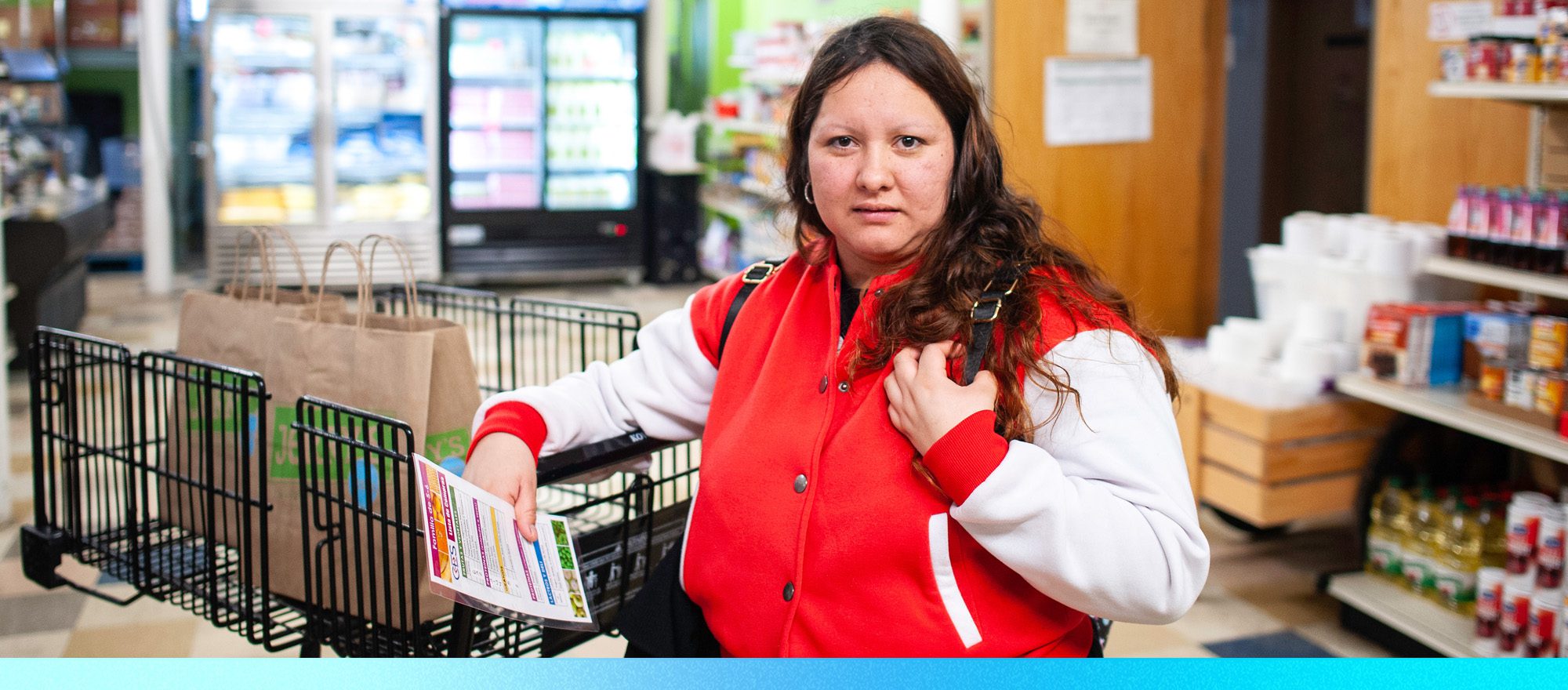




Photos 1-2: Twin Cities Food Justice and Community Emergency Service are among Fourth Generation’s 2026 grant partners. Photos 3-6: Grant partners and giving circle members celebrated together at Fourth Generation’s Graze 4 Good event.
As Fourth Generation breaks for the summer, I invite you to reflect with me on what it means to be Twin Cities Strong. How do you show up for your neighbors? How do you make sure people are taken care of? How do you find community? I found my community in Fourth Generation. I love seeing DIRECTLY how a multi-strand rope is stronger, how many hands make light work, how pooling our resources leads to bigger impact.
When Fourth Generation reconvenes in the fall, we’ll turn our focus from food security to a new cycle topic (one that was discussed often at our monthly meetings when we were in the thick of things): Mental health. We chose this focus because it impacts us all, and it affects our ability to do everything else: To show up for our families, our jobs, our communities, and ourselves. I’m excited to learn from the organizations helping to address mental health disparities in the Twin Cities, and I’m excited to grow and think and give back with friends.
There is always more room in the Fourth Generation community! Mark your calendar for our fall kickoff meeting on September 16 and come make the Twin Cities stronger with us.
Register now and subscribe for updates from Fourth Generation. We hope to see you soon!
Melissa Miller is a Fourth Generation Advisory Board member and a Senior Development Officer at Second Harvest Heartland.

